Milk residue: how it harms your coffee machine
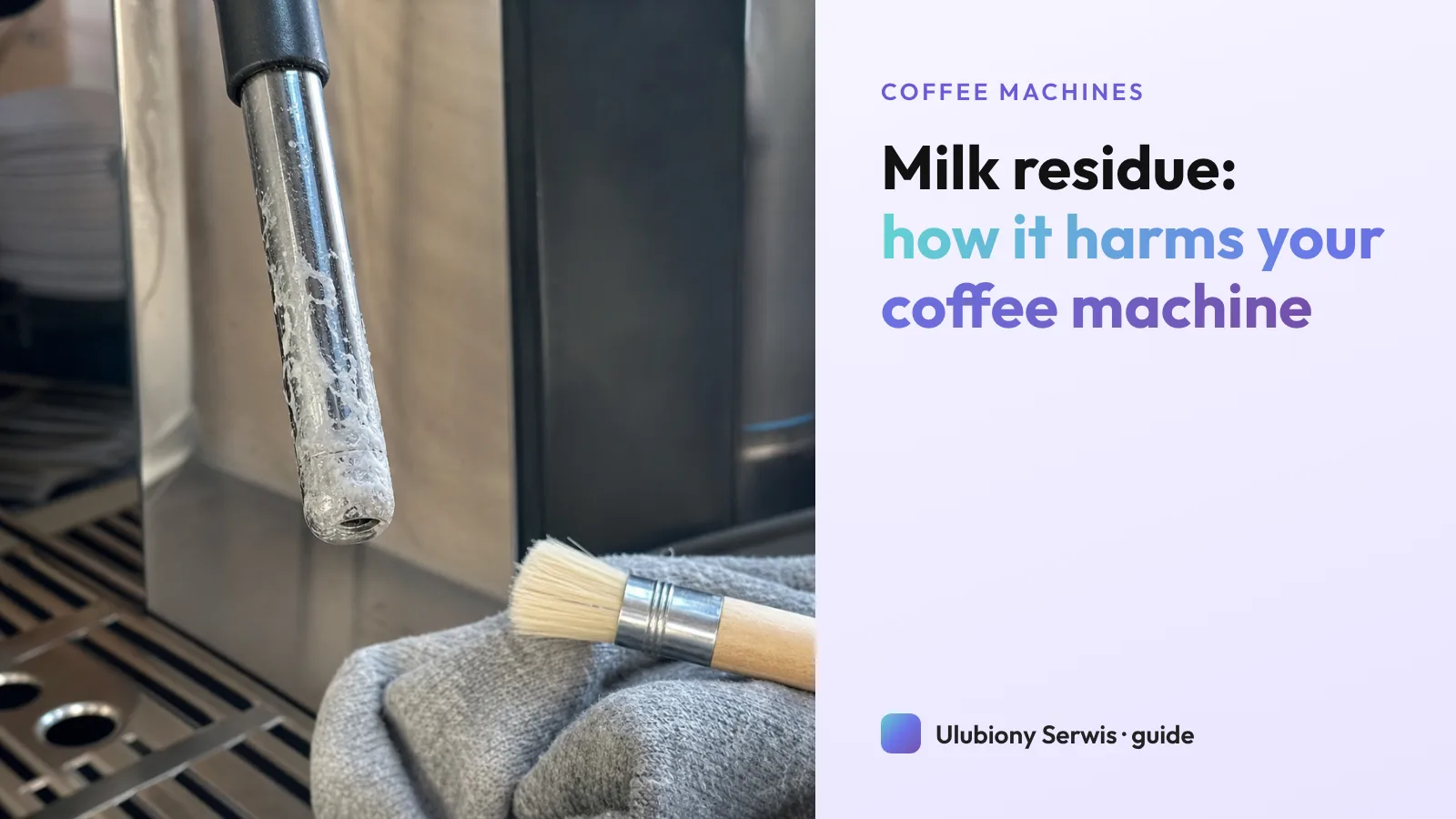
Today, coffee has become an inseparable part of life for many of us. Coffee machines are now commonplace in our homes, offices and cafés. However, few of us realise that milk residue can have a negative effect on how a coffee machine works and on its lifespan. In this article, we look at this problem and suggest how to avoid it.
Milk residue and your coffee machine
Coffee machines are known for their reliability and durability, but even the best devices can be damaged if they are not properly looked after. One of the main factors that can affect the condition of a coffee machine is milk residue. This residue forms when milk heated in the coffee machine is left for longer than necessary.
Milk residue is a mixture of protein and fat released when milk is heated. When this mixture builds up in the coffee machine, it can lead to various problems that affect both the quality of the coffee and the lifespan of the device.

Milk residue can significantly affect the taste and quality of coffee. The main negative effects of milk residue are:
1. Change in coffee taste
Milk residue can change the taste of coffee, giving it a bitter or strange aftertaste. This can put you off drinking coffee and reduce your enjoyment of it.
2. Clogged tubes
Milk residue can clog the tubes in the coffee machine, making it difficult for water to flow. This in turn can affect the coffee machine's performance and the time it takes to make coffee.
3. Higher maintenance costs
Removing milk residue requires extra effort and time. This means you will have to service your coffee machine more often, which involves additional costs.
How to avoid milk residue?
To avoid problems caused by milk residue, it is worth following a few simple rules:
1. Regular cleaning
Regularly cleaning the coffee machine and the parts that have been in contact with milk is the key to avoiding residue. Daily washing of the milk jug and other parts that have been in contact with milk is recommended.
2. Using the right cleaning products
Choose coffee machine cleaning products designed specifically to remove milk residue. Avoid using harsh detergents that may damage the device.
3. Regular maintenance
Regular maintenance of the coffee machine, such as descaling, can help prevent problems caused by milk residue. Follow the manufacturer's recommendations on maintenance.
4. Reducing the time milk spends in the coffee machine
Try to reduce the time milk is heated in the coffee machine. The shorter the contact time, the less likely residue is to form.

Regular cleaning
Milk residue can have a negative effect on how a coffee machine works and on the quality of the coffee it makes. That is why it is important to keep the coffee machine clean regularly and use the right cleaning products. This way, you will not only enjoy delicious coffee but also extend the life of your favourite appliance.