Hard-to-reach places: how do robot vacuums cope?
Today, when the pace of life is faster than ever, we look for solutions that help us save time and energy. One area that needs constant attention is keeping our homes and workplaces clean. Cleaning hard-to-reach places is a particular challenge. Fortunately, technology has moved on, offering us modern solutions in the form of robot vacuums.
Technology in the service of cleanliness
Robot vacuums have become an integral part of modern households. Equipped with advanced sensors and navigation algorithms, they can move efficiently over different surfaces, reaching places that until now were difficult or impossible to clean effectively with traditional methods.
How do robot vacuums cope with hard-to-reach places?
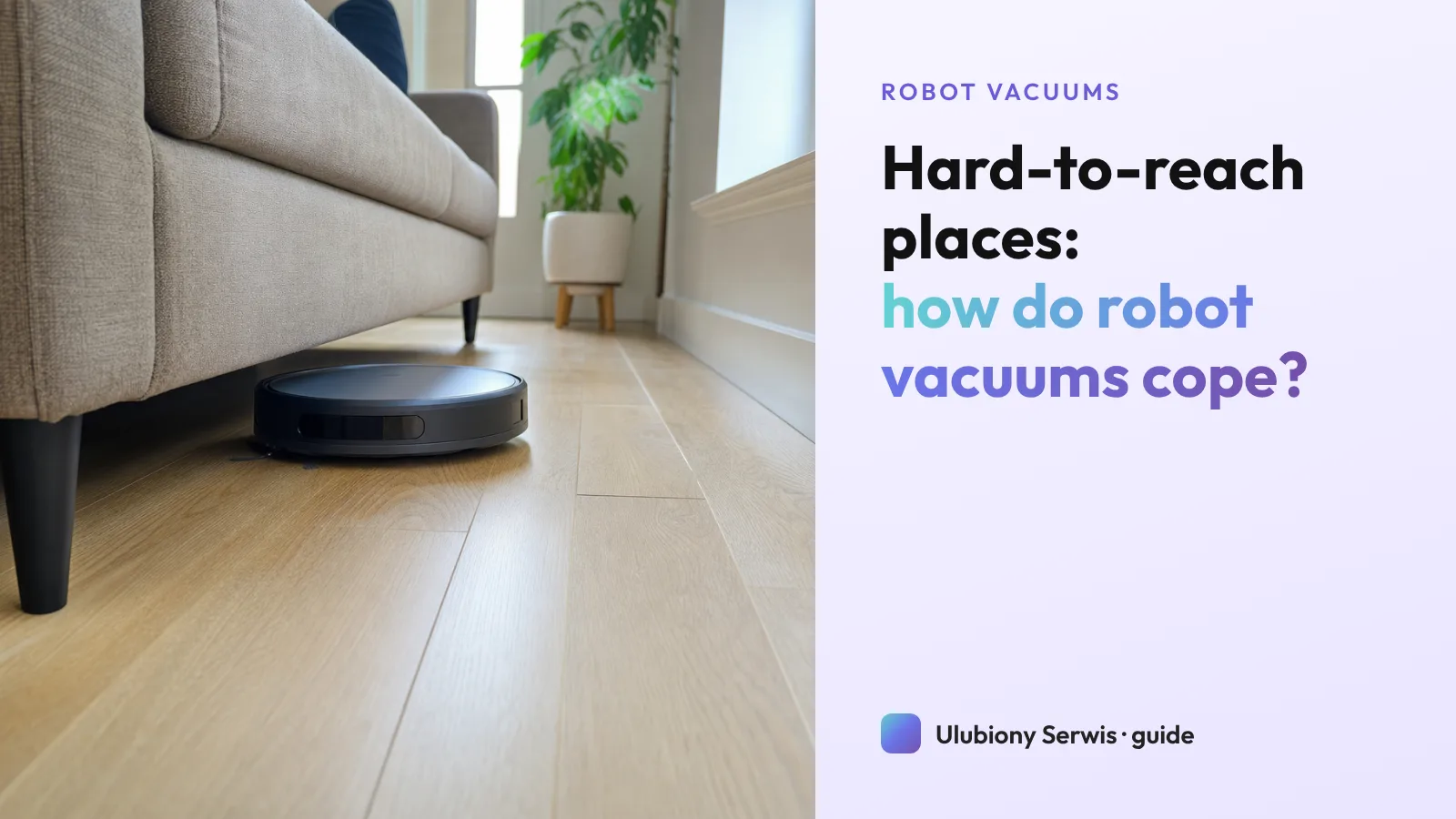
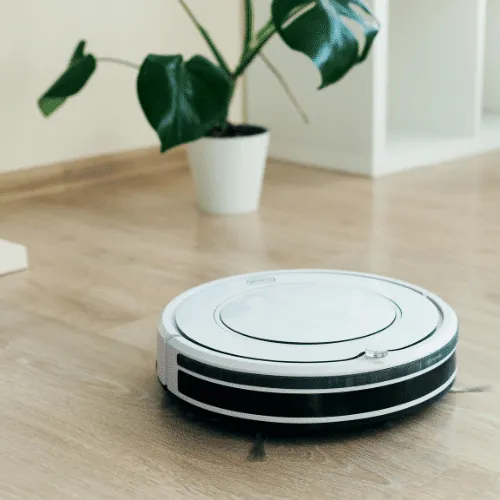
One of the main advantages of robot vacuums is their ability to reach difficult places. Thanks to their compact size and specially designed construction, robots can easily get under furniture such as sofas, beds and cabinets, where most dust and dirt collects. In addition, some models are fitted with special side brushes that effectively pick up dust and dirt from corners and along skirting boards.
Innovative features that make cleaning easier
Modern robot vacuums are equipped with a range of innovative features that make it much easier to keep hard-to-reach places clean. The most important include:
- Mapping and navigation systems: These let the robot determine its exact location in the room and plan the most efficient cleaning path.
- Obstacle and cliff sensors: These stop the device from falling down stairs and help it avoid obstacles such as furniture and cables.
- Programmable cleaning schedules: These let you set regular cleaning sessions, so the robot can work while nobody is at home, for maximum convenience.
Robot vacuums compared with traditional cleaning methods
Although traditional cleaning methods such as a mop or vacuum cleaner still have their uses, robot vacuums offer a range of benefits that make them an attractive alternative. Their main advantage is that they keep things clean automatically and regularly, even in the hardest-to-reach places, without the user having to step in all the time.
Advantages of robot vacuums
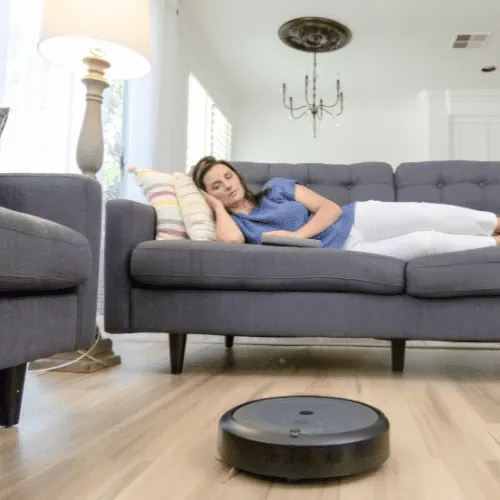
- Saving time and effort: Robots do all the work for us, leaving us more time to relax and do other things.
- Cleaning accuracy: Thanks to advanced technology, robots can clean surfaces more thoroughly, reaching places that may be missed during traditional cleaning.
- Minimal physical effort: Cleaning, especially in hard-to-reach places, often requires a lot of physical effort. Robot vacuums remove this need by working on their own.
- •Convenient and flexible operation: Being able to programme cleaning schedules and control robots via a mobile app makes them convenient to use without needing our constant attention.
How to choose the right robot vacuum
Choosing the right robot vacuum depends on several key factors. Here is what to look for when buying:
- Size of your home: It is important to choose a model suited to the size of your flat or house. Some robots are better suited to smaller spaces, while others can clean large areas effectively.
- Type of floor: Different robot models are designed for different types of floor, from hard surfaces such as parquet or tiles to rugs and carpets.
- Additional features: Look out for additional features such as mopping, air filtration systems or compatibility with voice assistants, which can make the robot more convenient to use.
- Budget: Robot vacuum prices can vary considerably. When buying, it is worth finding the model with the best value for money that meets your expectations and needs.
Robot vacuums are revolutionary devices that make it much easier to keep our homes clean, especially in hard-to-reach places. Thanks to advanced technology and a range of practical features, they can offer an accuracy and convenience that is hard to expect from traditional cleaning methods. When choosing a robot, consider the layout of your home and your own needs to get the most out of it.
MORE TIPS